
How Blockchain Technology Is Reshaping Online Entertainment: A 2026 Guide to Crypto Casino Trends, Security, and Responsible Gambling in the UK
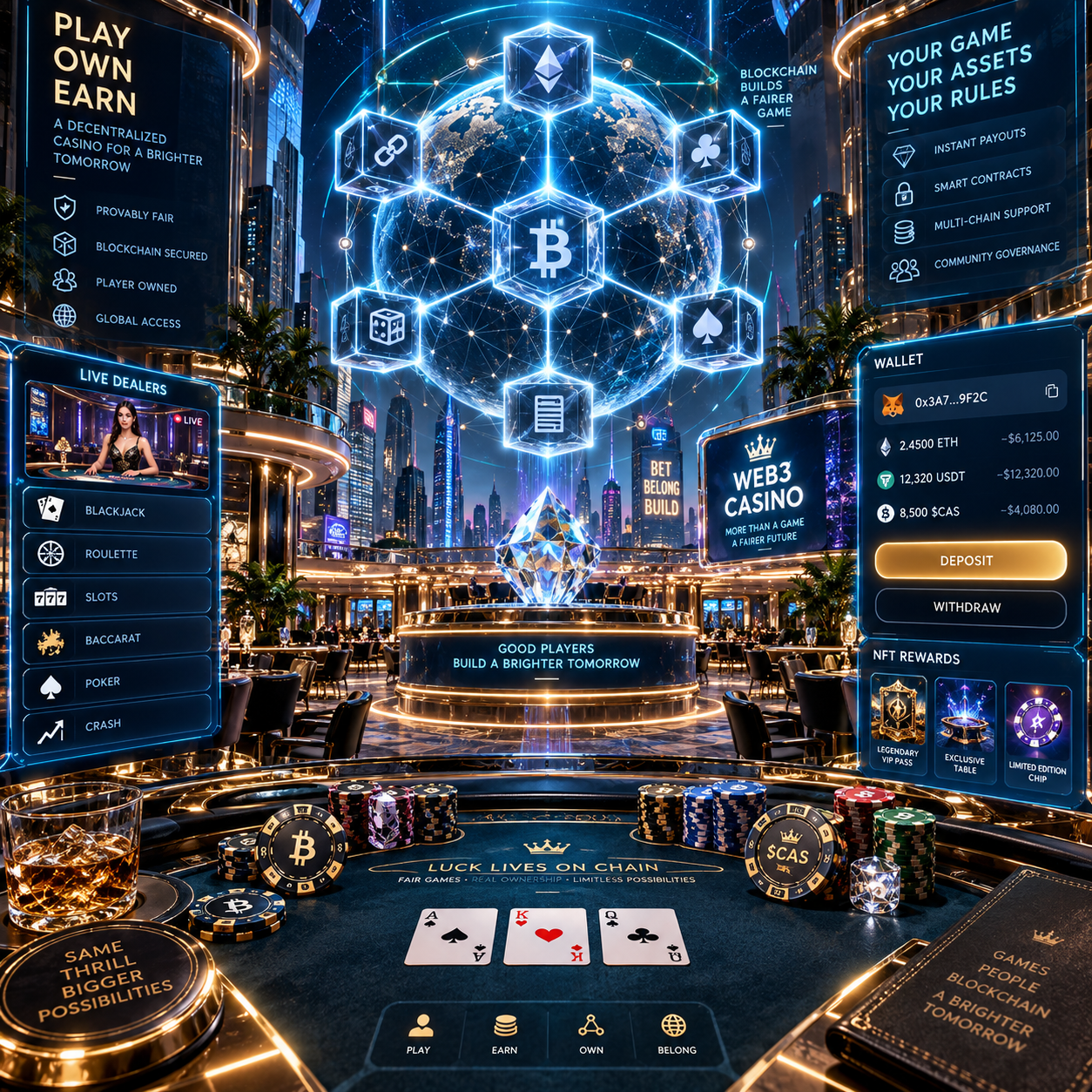
I've spent a fair chunk of the last few years watching how blockchain technology quietly crept out of finance forums and into the world of online entertainment. By 2026, it's no longer a niche curiosity—it's genuinely reshaping how UK players experience gambling, gaming, and everything in between. What started as a way to move money without banks has turned into an entire infrastructure for building trust, transparency, and speed into digital entertainment platforms.
The Rise of Blockchain in Online Entertainment
When people first heard about blockchain, most assumed it was purely a financial tool. Fast forward to now, and it's become the backbone of an entirely new category of online entertainment. UK players, always quick to adopt new tech when it improves convenience and trust, have shown real enthusiasm for decentralized platforms that promise more transparency than traditional operators ever could.
From Bitcoin to iGaming Innovation
Bitcoin's early days were all about peer-to-peer payments, but developers soon realised the same underlying ledger technology could verify game outcomes, secure transactions, and even automate payouts. Ethereum's smart contracts were a turning point—suddenly, casinos could run bets through code rather than trusting a company's internal systems. That shift from 'trust us' to 'verify it yourself' is really the seed that grew into today's crypto gambling scene.
What Makes a Crypto Casino Different?
At its core, a crypto casino isn't just a regular online casino that happens to accept Bitcoin. It's built differently. Smart contracts handle bets automatically, payments settle in minutes rather than days, and many platforms let players verify every spin or hand themselves. This is a meaningful departure from the traditional model, where you're relying entirely on the operator's word that the system is fair.
Provably Fair Gaming Explained
This is probably my favourite part of the whole ecosystem. Provably fair systems use cryptographic hashing so that before a game even starts, the outcome is essentially locked in and verifiable. After the round finishes, players can check the seed values against the blockchain ledger and confirm nothing was tampered with. It's a level of transparency that traditional RNG-based casinos simply can't match, no matter how many audits they publish.
Key Trends Shaping UK Crypto Gambling in 2026
This year has brought some genuinely interesting developments. NFT-based loyalty rewards are becoming more common, letting players own tradeable in-game assets rather than just accumulating points that vanish if they stop playing. Some platforms are even experimenting with DAOs, where token holders vote on platform rules, game additions, or fee structures—essentially community-run casinos. Multi-currency wallets have also matured, letting players hold and swap between Bitcoin, Ethereum, and various stablecoins without leaving the platform. And AI-driven personalization is quietly reshaping how games and promotions are recommended, based on individual play patterns.
Regulatory Shifts and UKGC Adaptations
The UK Gambling Commission has had to move fast to keep pace. Blockchain-based betting doesn't fit neatly into old licensing frameworks, so the UKGC has been updating guidance around digital asset transactions, wallet verification, and anti-money laundering checks specific to crypto flows. It's not a perfect system yet, but there's clear momentum toward proper oversight rather than ignoring the sector.
Security Advantages and Risks of Blockchain Gambling
Decentralized ledgers genuinely do reduce certain types of fraud. Because transactions are recorded immutably, it's much harder for an operator to quietly manipulate results or withhold winnings. That said, I'd be doing readers a disservice if I didn't mention the real risks too. Smart contracts can contain coding vulnerabilities that hackers exploit—there have been notable incidents where flawed contracts led to significant losses. Anonymity, while appealing to some, also makes dispute resolution trickier since there's often no central authority to appeal to if something goes wrong. It's a trade-off between transparency and traditional consumer protections.
Responsible Gambling in the Age of Crypto
Here's where things get genuinely important. Blockchain's biggest strengths—speed, pseudonymity, minimal friction—can also become risk factors for vulnerable players. Instant deposits and withdrawals remove the natural pauses that sometimes give people a moment to reconsider a bet. Pseudonymous wallets can make it harder for operators to identify patterns of harmful play early on.
This is an area where research is still catching up with technology. Organizations studying gambling harm prevention across Europe are digging into exactly these questions—how digital and blockchain-based environments influence player behaviour differently than traditional platforms. The crypto casino research consortium, for instance, is examining how these newer gambling formats affect safety and decision-making, and their findings are already informing conversations among UK operators and regulators about what player protection should look like in a blockchain-driven market.
Tools and Safeguards for UK Players
- Self-exclusion schemes that work across multiple crypto platforms, not just single sites
- Deposit and wagering limits that can be set directly through smart contracts, making them harder to bypass impulsively
- Blockchain-based tracking tools that flag unusual betting patterns for early intervention
- Time-based session reminders built into wallet-linked casino apps
Choosing a Trustworthy Crypto Casino in the UK
If you're considering trying one of these platforms, I'd encourage a bit of homework first. Check whether the operator holds a valid UK Gambling Commission licence, even if they also accept crypto—this matters more than flashy marketing. Look for platforms that publish their smart contract code publicly or have it independently audited. Genuine community reputation counts for a lot too; forums and review sites often surface problems long before official complaints get resolved. And don't underestimate the value of responsive customer support—if something goes wrong with a transaction, you want humans who can actually help, not just a chatbot repeating FAQ answers.
The Future Outlook for Blockchain-Powered Gambling
Looking ahead, I think blockchain's role in UK online entertainment is only going to deepen. We'll likely see tighter regulatory frameworks that specifically address decentralized platforms, more collaboration between operators and harm-prevention researchers, and continued innovation around transparency tools that benefit players directly. The challenge—and honestly, the opportunity—is balancing that innovation with the kind of responsible gambling safeguards that protect people rather than just protecting profits. If the industry gets that balance right, 2026 could be remembered as the year crypto gambling in the UK finally grew up.
