
How Cryptocurrency Winnings Are Funding Green Innovation: The Rise of Eco-Conscious Crypto Casino Players Backing UK Biogas Projects
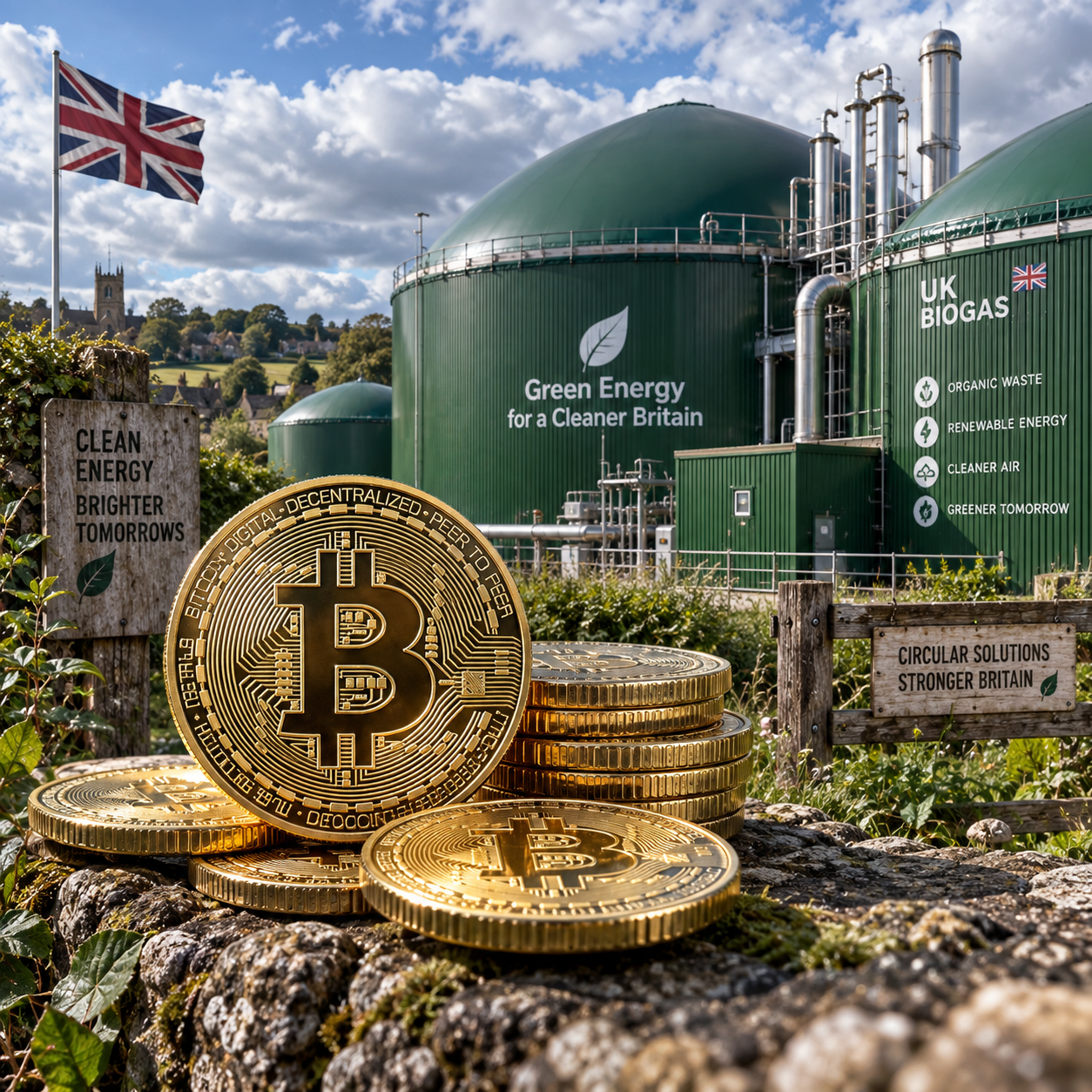
It's an odd pairing at first glance: the flashing lights of online crypto casinos and the quiet, methodical world of renewable biogas plants tucked away on British farms. Yet in 2026, these two worlds are colliding in ways nobody quite predicted a few years ago. Across the UK, a growing number of crypto gamblers are taking their winnings — sometimes modest, sometimes eye-watering — and redirecting a slice of them into green energy causes. Biogas, in particular, has become an unlikely beneficiary of this digital windfall culture. This article digs into how that connection formed, why it matters, and what it could mean for the future of grassroots renewable funding in Britain.
The Rise of Crypto Casinos in the UK
Crypto casinos have quietly become one of the fastest-growing corners of the UK gambling scene. Unlike traditional platforms tied to sterling deposits and lengthy verification queues, crypto-based sites let players deposit, wager, and withdraw using Bitcoin, Ethereum, or a growing list of altcoins. The appeal isn't just novelty — it's speed, lower fees, and a level of privacy that traditional banking rails simply can't match. For a generation raised on decentralized finance, gambling with crypto feels less like a gimmick and more like the natural evolution of online betting.
This growth has created something interesting: a genuinely new pool of disposable digital wealth. Winnings that once would have sat in a bank account or been reinvested straight back into more bets are now, for a meaningful subset of players, being viewed as spare capital worth putting toward something bigger than themselves.
Why UK Players Are Turning to Crypto Gambling
Part of the shift is regulatory. The UK Gambling Commission has taken a cautious but not hostile stance toward crypto platforms, leaving room for innovation while pushing operators toward responsible gambling standards. But the deeper driver is demographic. Younger players — many of whom already hold crypto as an investment — are naturally more comfortable gambling in the same currency they trade and save in. This same demographic tends to skew more environmentally conscious, having grown up amid climate anxiety and a steady drumbeat of sustainability messaging. It's this overlap that sets the stage for the trend explored in this article.
From Winnings to Impact — The Green Crypto Movement
There's a particular psychology at play when someone wins big on a crypto casino. Unlike a paycheck, winnings often feel like 'found money' — less tied to personal sacrifice, more available for experimentation or generosity. Some players describe wanting to gamble more responsibly by pairing their wins with a green offset of sorts: for every windfall, a portion goes toward something they consider genuinely worthwhile. Call it guilt-free gambling, or simply a modern twist on charitable giving, but the pattern is becoming more visible in crypto forums and Discord communities frequented by UK players.
Case Studies of Crypto-to-Green Donations
Take, hypothetically, a player from Yorkshire who turned a lucky run on a crypto slots platform into several thousand pounds worth of Ethereum. Rather than cashing out entirely, they split the winnings — half reinvested, half funneled into a renewable energy crowdfunding campaign supporting a community solar and biogas hybrid scheme. Or consider a small group of players in the Midlands who pooled portions of their winnings into a green tech startup accelerator, specifically targeting waste-to-energy innovations. These aren't isolated fantasies; they reflect a broader, still-emerging pattern of crypto winnings being treated as seed capital for sustainability rather than simply more betting stakes.
Biogas as a Renewable Solution Worth Funding
Biogas rarely gets the spotlight that solar or wind energy commands, but it deserves far more attention — especially in a country like the UK with such a strong agricultural backbone. Biogas is produced when organic waste — manure, food scraps, crop residues — breaks down in an oxygen-free environment, releasing methane that can be captured and used as fuel. It's a genuinely circular solution: waste that would otherwise rot and emit greenhouse gases instead becomes a clean energy source.
The UK's Biogas Potential
Britain has no shortage of raw material for biogas. Farms across the country generate enormous volumes of slurry and crop waste, while food waste from households and businesses continues to pile up despite years of reduction campaigns. Municipal waste streams add another layer of opportunity. The problem isn't potential — it's funding. Small and medium-scale biogas projects, particularly those serving individual farms or rural clusters, often fall into a frustrating gap: too small for major institutional investment, yet too capital-intensive for local grants alone to cover. This funding gap is precisely where unconventional sources of capital, including crypto winnings, are starting to make a real difference.
How Crypto Winnings Are Reaching Real Biogas Projects

The mechanics behind this trend are surprisingly straightforward. Crypto donation platforms now allow direct wallet-to-wallet transfers to registered green initiatives, while blockchain-based crowdfunding campaigns let backers track exactly where their contribution ends up. Some crypto casinos have even begun partnering with environmental causes directly, offering players the option to round up winnings or allocate a percentage automatically toward vetted renewable projects.
Increasingly, players are exploring how their casino crypto winnings can support pioneering renewable ventures such as Micro4Biogas, an EU-backed initiative developing micro-scale biogas systems designed specifically for farms and rural communities across Europe, including the UK. Rather than requiring the massive infrastructure investment of traditional biogas plants, these micro-scale systems are built to serve smaller agricultural operations — precisely the kind of underfunded, high-potential projects that struggle to attract mainstream investment. For a crypto gambler with a modest windfall, contributing to this kind of targeted, technically innovative project feels far more tangible than donating to a faceless environmental fund.
The Role of Blockchain Transparency in Green Funding
One of the biggest hesitations people have about charitable giving is simple: where does the money actually go? Blockchain answers that question in a way traditional donation systems struggle to match. Every transaction is recorded on a public ledger, meaning donors can, in principle, trace their contribution from wallet to project. This transparency is proving to be a genuine trust-builder among crypto-native donors, many of whom are naturally skeptical of opaque financial systems in the first place. For biogas projects seeking funding from this crowd, demonstrable transparency isn't just nice to have — it's often the deciding factor in whether a campaign succeeds.
Benefits and Challenges of This Emerging Trend
The upsides here are genuinely compelling. Crypto-to-green funding diversifies the pool of capital available to renewable projects that might otherwise struggle to get noticed. It engages a younger, digitally fluent donor base that traditional environmental charities often find hard to reach. And it accelerates innovation by putting money directly into experimental technology like micro-scale biogas, rather than waiting on slower institutional funding cycles.
But challenges remain. Crypto volatility means a donation pledged in Ethereum one day could be worth significantly less — or more — by the time it's converted and deployed. Regulatory uncertainty around both gambling and crypto donations in the UK adds another layer of complexity. And there's always the risk of greenwashing, where projects claim sustainability credentials without delivering measurable impact. Players interested in this space need to do their homework rather than assuming every 'green crypto' campaign is legitimate.
Best Practices for Eco-Conscious Crypto Players
- Research any renewable energy project thoroughly before donating — look for verified partnerships, published progress reports, and independent oversight.
- Choose crypto casinos that offer responsible gambling tools, transparent odds, and licensing recognized by UK regulators.
- Use blockchain explorers to track how donated funds are actually being spent whenever that option is available.
- Set a clear personal rule — such as a fixed percentage of net winnings — for green contributions, so philanthropy doesn't become entangled with chasing further losses.
- Stay realistic about crypto volatility; consider converting winnings to stablecoins before donating if timing and value certainty matter to the project.
The convergence of crypto gambling culture and renewable energy funding might still sound unusual to some, but it's quietly gaining momentum across the UK. Biogas, with its practical, farm-rooted appeal and pressing need for small-scale investment, has become an especially natural fit for this new wave of eco-conscious giving. As crypto adoption deepens and green innovation matures, it's easy to imagine this once-niche trend becoming a genuine pillar of grassroots renewable funding — proof that even a lucky spin at a crypto casino can, in its own unconventional way, help power a cleaner future.
